
Sustainable Farming - It Is What We Value Most
The healthier the bush, the bigger impact to reducing our carbon footprint.
Our 100-acre farm is our treasure.
In order to care for and preserve our treasure, we do our best to nurture it so that it will be in the best shape possible to support our way of life and those who come after us. Being certified organic is one way we look after our land. We do not use chemicals, we conserve energy and water. We value having the variety of plant and animal life on our farm.
How Do We Manage This?
The first crop off the farm is maple syrup. In order for the trees to continue to produce sap year after year, we have implemented good woodlot management practices as well as following good management practices in the production of our certified organic maple syrup.
Good woodlot management means that we are making a lasting impact. We are maintaining the health of our bush and creating a thriving habitat for wildlife. We tap only healthy trees. If a tree appears to be under stress, we will not tap it for a year to give it time to recover.
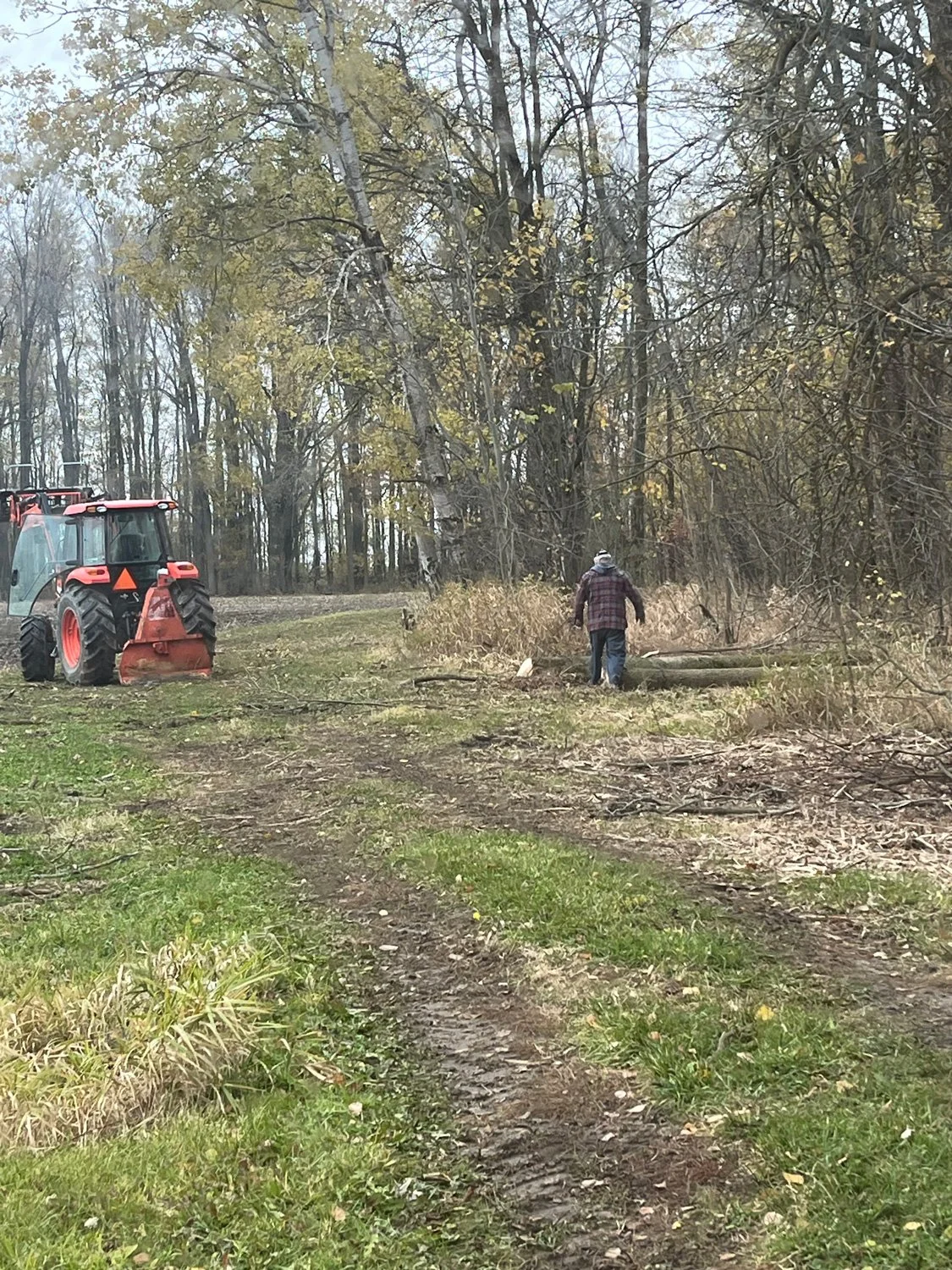
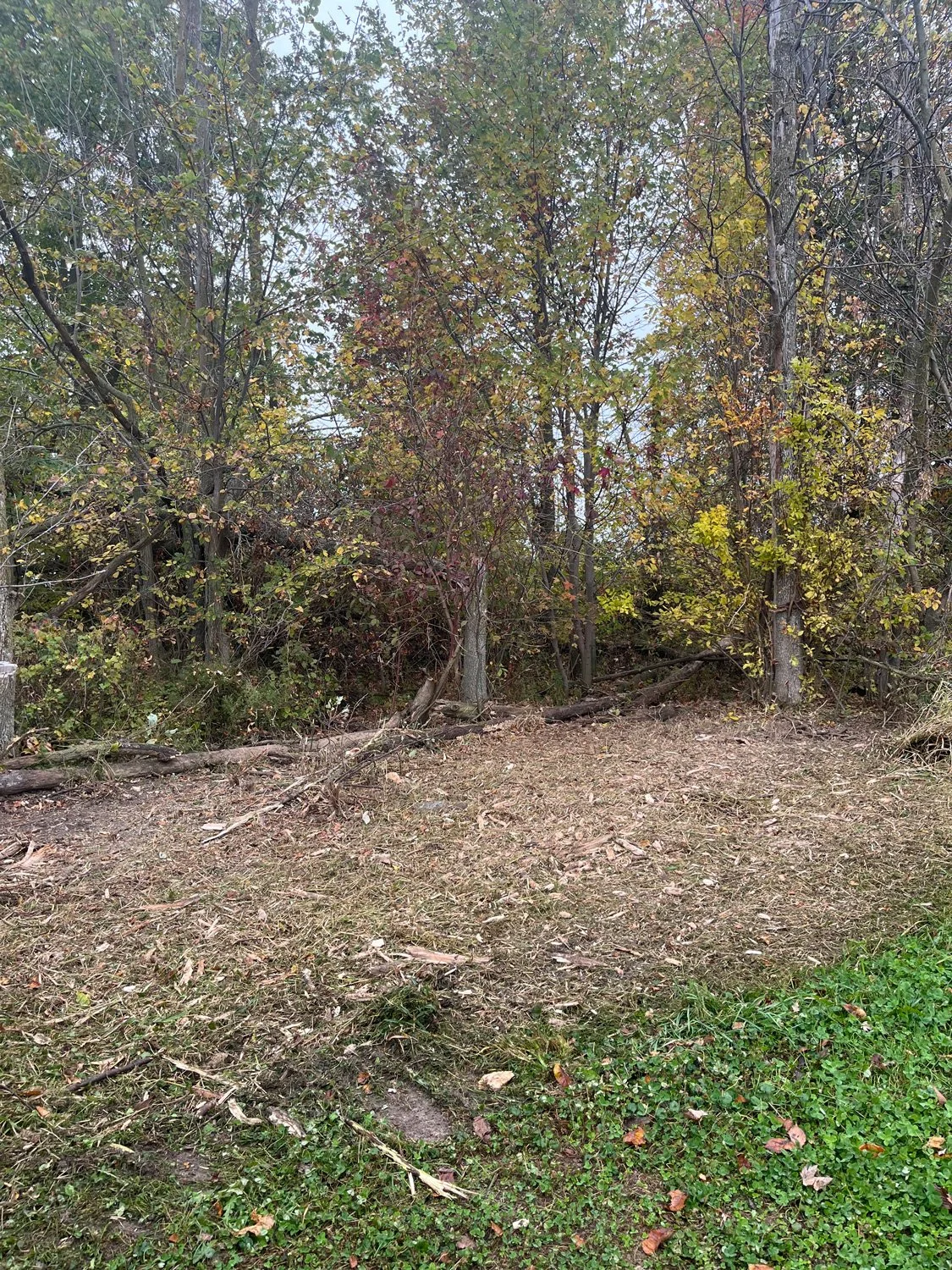
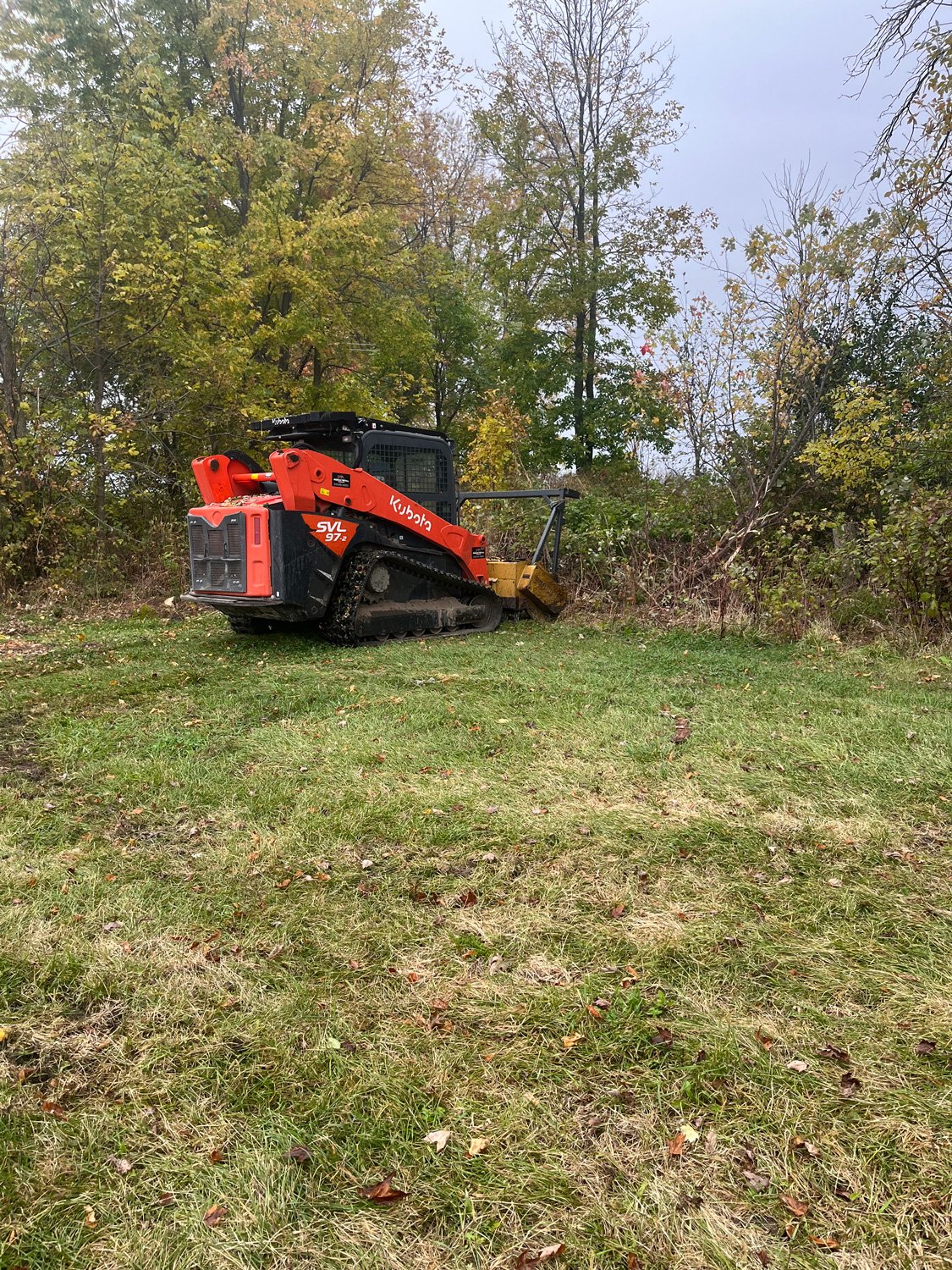
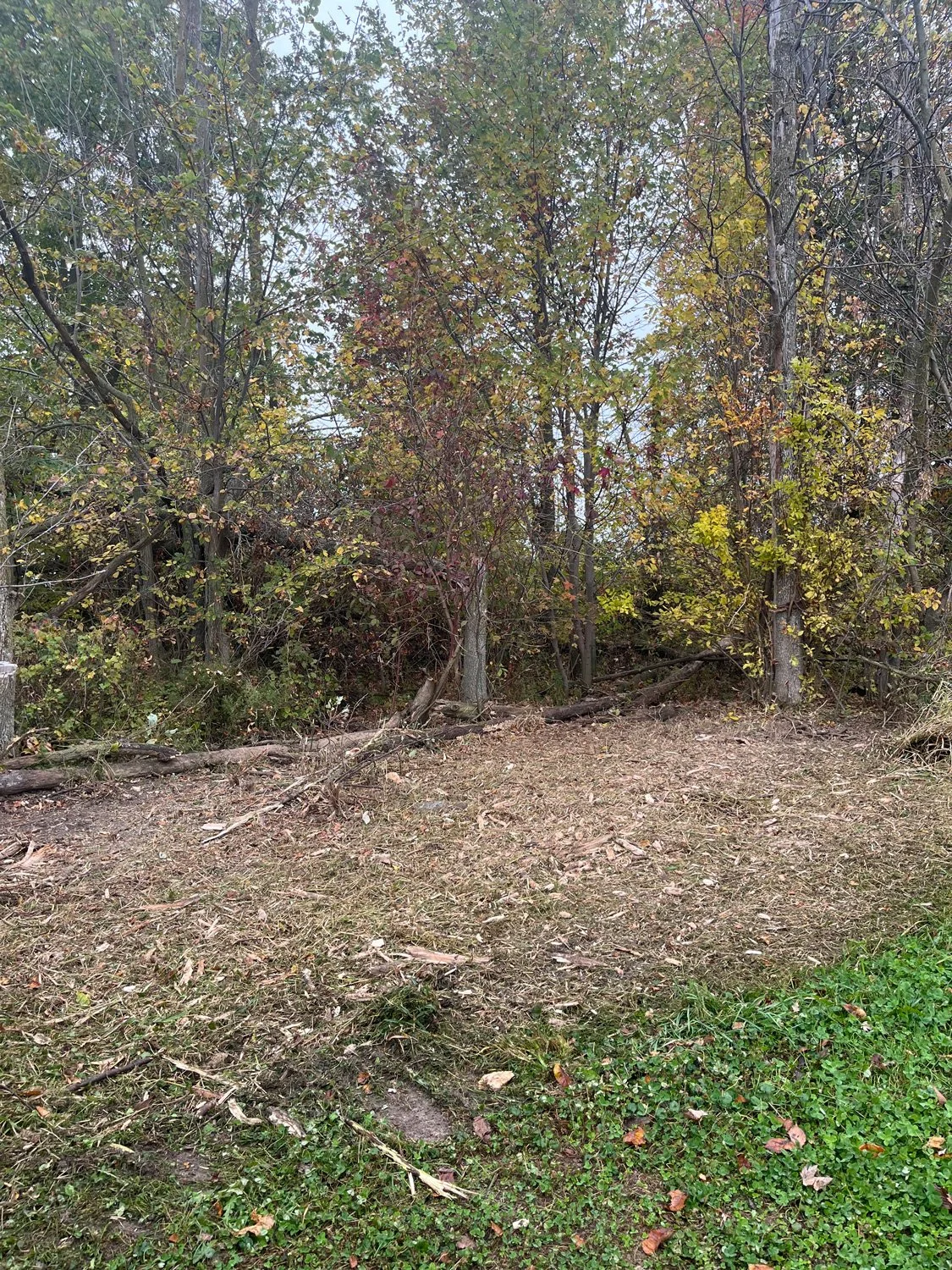
We frequently walk our 50-acre bush to determine its health. When trees are damaged or diseased, we need to make sure that we remove them carefully so that they do not damage or harm the health of other trees. By removing the trees, we are also stimulating new growth by allowing sunlight to reach the woodlot floor, helping new trees to grow. Regeneration is key to a healthy bush.
The wood we are removing is used in our evaporator. No wood goes to waste. The smaller branches of the trees that are cut down are left in piles and become small animal ‘hotels’ offering refuge when being chased by predators.
We use a Reverse Osmosis machine that provides permeate – pure water. We use this water for washing our pans and holding tanks. We also have distilled water that is a bi-product of the boiling process. This water is also used for cleaning. By using both the permeate and distilled water, we are not using any of our well water (ground water).
Sustainable Practices in Maple Syrup Production
Trees in general store carbon, thereby, reducing the carbon footprint. Trees, like sugar maples, absorb CO2, which cleans the air. This carbon storage offsets emissions from syrup production. The healthier the bush, the bigger impact to reducing our carbon footprint.
Sustainable practices in maple syrup production are vital for reducing the industry's carbon footprint. Producers are turning to energy-efficient technologies, like reverse osmosis systems and modern, more efficient evaporators. These innovations cut energy use, boost efficiency, and lower emissions during maple syrup production.
Below is a quick overview of sustainable practices:
Sustainable Practice = Environmental Benefit
Reverse Osmosis Systems = Lower energy consumption and emissions
Selective Tapping = Protects tree health and aids long-term conservation
Organic Certification = Avoids harmful chemicals and enhances syrup quality
Annual Inspections
A 3rd party non-biased audit is conducted to demonstrate that we are following all principles in the production of our maple syrup. This is evidence that we produce certified organic maple syrup.
Benefits of Sustainable Practices
Sustainable practices benefit the environment and preserves natural resources. We recycle nutrients and water, while omitting the use of chemicals.
